October 10, 2026
The engine serves as the heart of any motor vehicle, converting fuel into the raw mechanical energy needed to power every trip you take. When an engine suffers severe damage, the resulting repair bills and unexpected downtime can instantly disrupt your routine and strain your budget. Many severe mechanical failures do not happen overnight; they are often the result of minor issues that gradually worsen over time. Having knowledgeable professionals routinely evaluate your vehicle is one of the most effective ways to protect your investment and avoid catastrophic breakdowns. By partnering with experienced auto mechanics, drivers can keep their vehicles running smoothly and catch minor wear and tear before it escalates into massive failure.
Understanding Early Signs of Engine Wear
Modern vehicles frequently communicate their internal condition through subtle changes in performance, sounds, or visual cues long before a complete failure occurs. Qualified auto mechanics know exactly how to interpret subtle warning signs, such as unusual ticking noises, faint vibrations, or slight hesitation during acceleration. Catching these early indicators allows for targeted repairs before surrounding components suffer secondary damage. Ignoring these minor signs often leads to severe mechanical stress on critical components like pistons and valves. Professional auto mechanics can quickly assess these symptoms and implement timely solutions that protect your engine from compounding damage.
Performing Vital Fluid Checks and Changes
Engine oil, coolant, and transmission fluid are essential for lubricating moving parts, absorbing heat, and cleaning internal surfaces. Over time, these fluids break down, collect debris, and lose their protective properties, which can lead to excessive friction and overheating. Diligent auto mechanics check fluid levels, viscosity, and contamination during every routine service appointment to ensure optimal operating conditions. According to Gitnux, about 20% of auto repairs are caused by improper maintenance or neglect. By replacing old fluids and worn filters on schedule, professional auto mechanics prevent harmful buildup and keep internal engine components running smoothly.
Inspecting and Replacing Aging Belts and Hoses
Rubber belts and flexible hoses are critical components that keep your cooling, electrical, and timing systems fully operational. Timing belts, for instance, synchronize the movement of the engine valves and pistons, and a sudden snap can cause devastating internal collisions. During routine inspections, attentive auto mechanics examine these rubber components for dry rot, cracking, glazing, or soft spots. Replacing a worn hose or belt proactively costs a fraction of what an extensive overhaul would require. Dependable auto mechanics ensure these vital lines remain strong and capable of enduring high engine temperatures.
Performing Diagnostic Scan Analysis and Error Codes
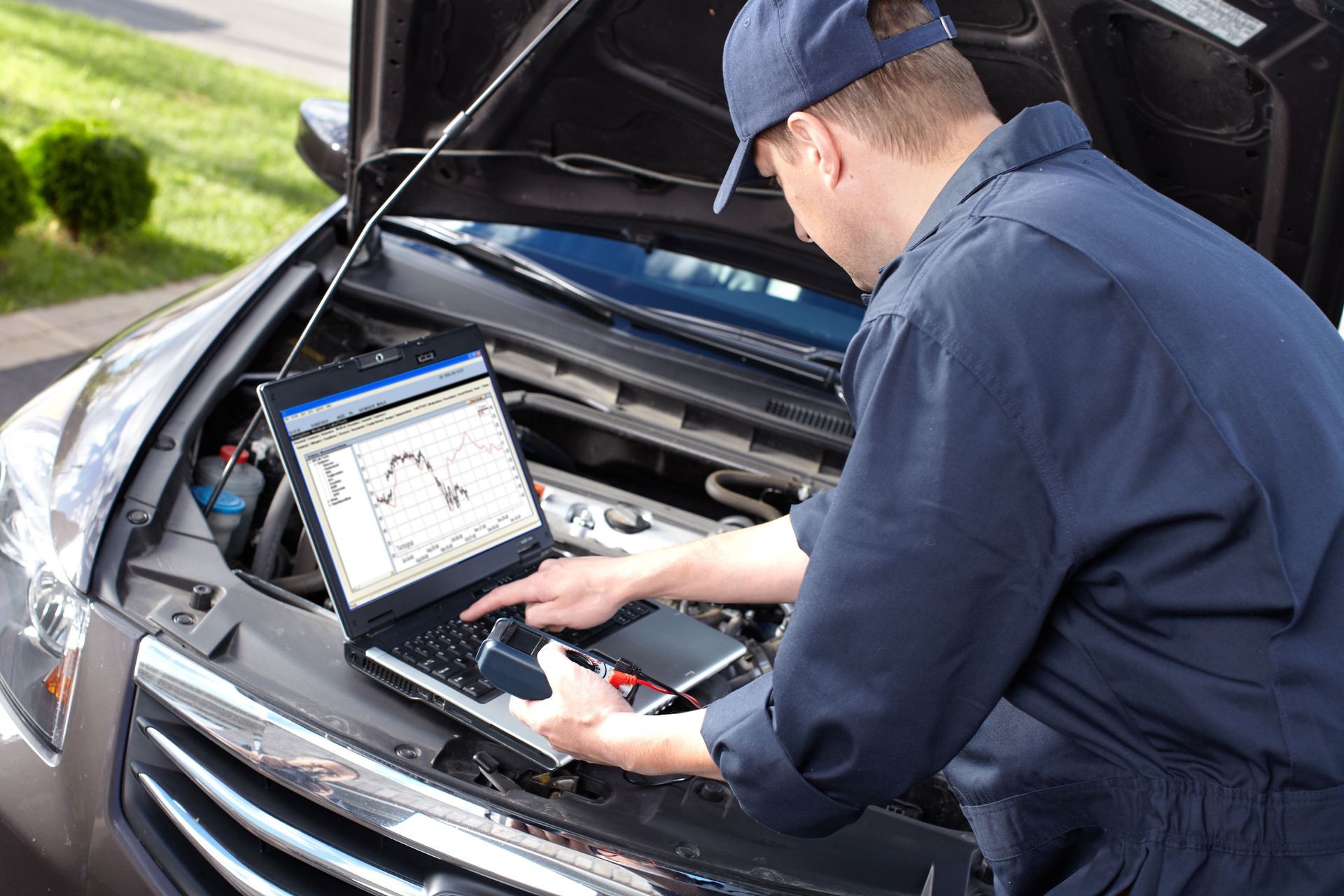
When a dashboard warning light turns on, it indicates that the onboard computer has detected a metric operating outside normal parameters. Skilled auto mechanics use advanced diagnostic scanning tools to interface with your vehicle and retrieve precise fault codes. These error codes provide a directional roadmap, pointing directly to sensor malfunctions, air-fuel imbalances, or ignition misfires. Rather than guessing, trained auto mechanics analyze this data alongside physical testing to resolve the root problem quickly. Addressing computer warnings early prevents localized errors from causing long-term damage to major components. Prompt intervention also helps maintain optimal fuel efficiency and overall driving performance. Ensuring electrical systems operate within design specifications protects delicate microprocessors throughout the vehicle.
Maintaining Thermal Regulation and Cooling Systems
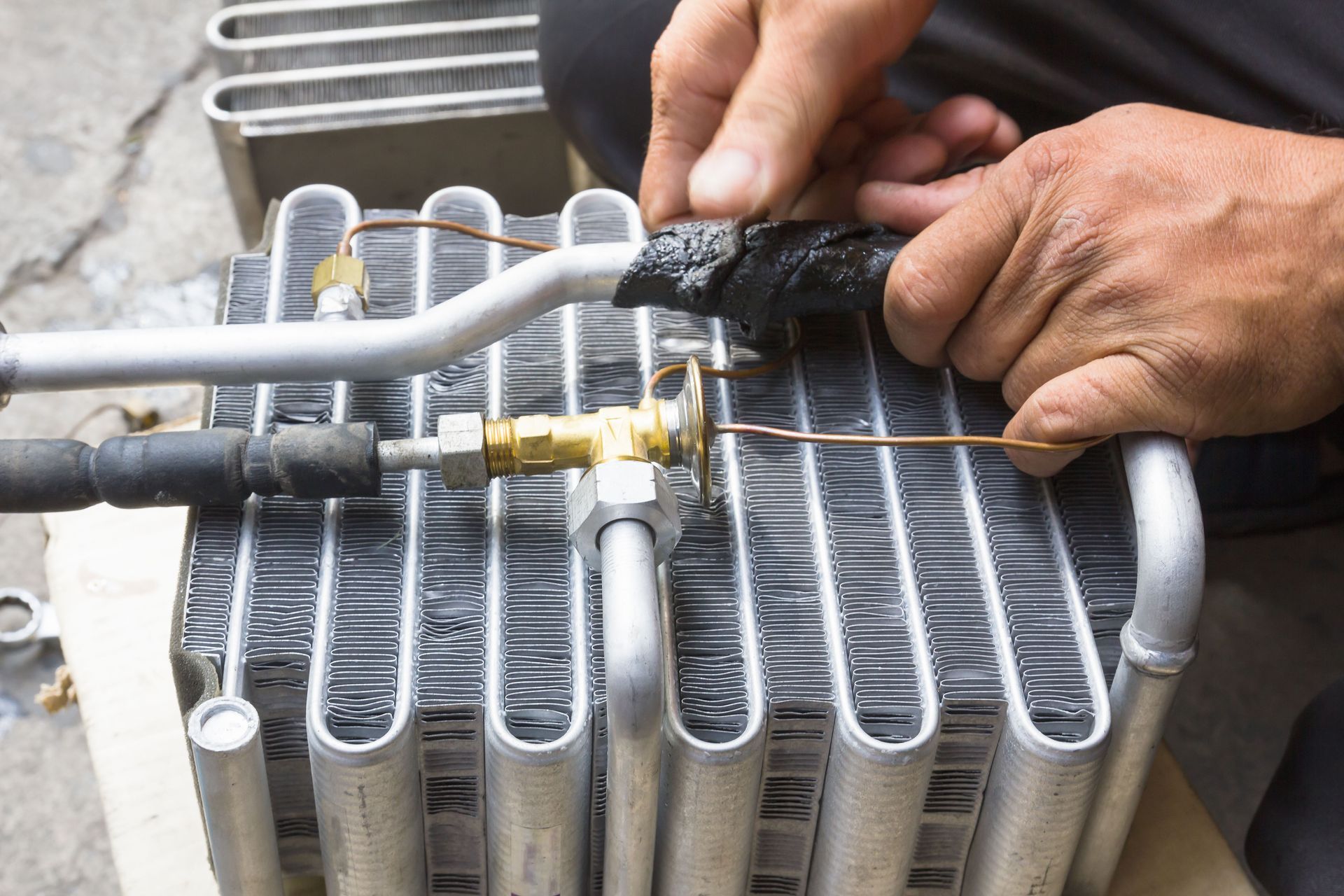
Overheating is one of the fastest ways to destroy a perfectly good engine block, leading to warped cylinder heads or blown head gaskets. The cooling system relies on a delicate balance between the radiator, water pump, thermostat, and cooling fans to manage extreme temperature spikes. Expert auto mechanics thoroughly check these cooling components for tiny leaks, corrosion, or blockages that restrict coolant flow. Keeping this system in top condition ensures your vehicle stays within safe operating temperatures even under heavy loads. Consistent service by qualified auto mechanics safeguards your motor against devastating thermal damage.
Monitoring Ignition and Fuel System Performance
A clean fuel delivery system and precise ignition timing are vital for efficient combustion and smooth operation. Spark plugs, fuel injectors, and ignition coils degrade naturally over time, leading to rough idling, unburnt fuel, and engine misfires. When misfires occur, raw fuel can enter the exhaust system, causing severe overheating and damaging expensive components like catalytic converters. Reliable auto mechanics clean fuel systems and replace spark plugs at manufacturer-recommended intervals to preserve clean combustion. By maintaining clean firing, auto mechanics shield your engine from destructive misfires and excessive stress.
Evaluating Air Filtration and Intake Systems
An engine needs vast amounts of clean air to mix with fuel for proper combustion. A clogged air filter restricts airflow, forcing the system to run rich and wasting fuel, while a compromised filter lets dirt enter internal chambers. Abrasive dust particles inside combustion chambers can score cylinder walls, wear down piston rings, and degrade internal seals rapidly. Proactive auto mechanics regularly inspect intake tracts and replace dirty filters to maintain optimal air quality and volume. These simple checks by attentive auto mechanics prevent premature friction wear inside delicate internal assemblies. Ensuring unrestricted airflow also keeps combustion temperatures stable and prevents unnecessary strain on sensor networks. Regular maintenance of the air intake system helps maximize overall engine performance and fuel efficiency.
Checking Gaskets and Preventing Critical Leaks
Engine gaskets seal critical junctions between metal surfaces, keeping vital fluids contained and preventing cross-contamination between oil and coolant passages. Over time, heat cycles and pressure cause valve cover gaskets, oil pan seals, and head gaskets to harden and fail. Experienced auto mechanics look for faint fluid seeps or residue buildup around seam lines during every routine checkup. Sealing small fluid leaks early prevents low oil levels and stops damaging fluid cross-contamination before it ruins internal bearings. Thorough auto mechanics help maintain internal seal integrity to keep critical pressure levels stable.
Protecting Turbochargers and Advanced Powertrains
Many modern vehicles utilize turbochargers and direct injection to produce high horsepower from smaller displacement engines. These complex systems operate under extreme temperatures and extreme rotational speeds, making clean oil and optimal cooling essential for survival. Knowledgeable auto mechanics understand the specific maintenance demands of modern turbocharged powertrains and monitor oil feed lines closely. Preventing oil carbonization inside hot turbo bearings requires disciplined service schedules and high-grade materials. Certified auto mechanics ensure these high-performance additions function reliably without causing sudden engine damage.
Establishing Long-Term Preventive Maintenance Schedules
Preventive maintenance is far more effective when managed as a continuous, planned routine rather than a series of emergency responses. Professional auto mechanics build comprehensive maintenance histories for your vehicle, keeping track of past services and predicting future wear points based on mileage and driving conditions. Having a structured service plan ensures that critical adjustments, valve lash inspections, and fluid flushes are never overlooked. Consistent oversight by familiar auto mechanics ensures every system receives timely care throughout its operational life. This proactive management extends total vehicle longevity while preventing unexpected breakdown costs.
Investing in regular maintenance is the single most reliable strategy for avoiding expensive engine overhauls and preserving vehicle value. From monitoring cooling efficiency and replacing aging belts to reading complex digital diagnostics, professional care keeps minor issues from turning into major mechanical failures. Protecting your vehicle requires technical expertise, precision tools, and a commitment to routine upkeep. Contact Apollon Auto Repair today to schedule your comprehensive vehicle inspection and keep your engine running smoothly for years to come.